项目背景 / Project Background
随着公司数字化智能硬件业务线扩张,物联网屏(HMI)作为核心交互硬件,面临产品竞争力不清晰、用户体验断点多、运营效率低等问题:
内部:销售、售后、研发对产品价值认知不一致,缺乏统一的用户洞察与优化方向;
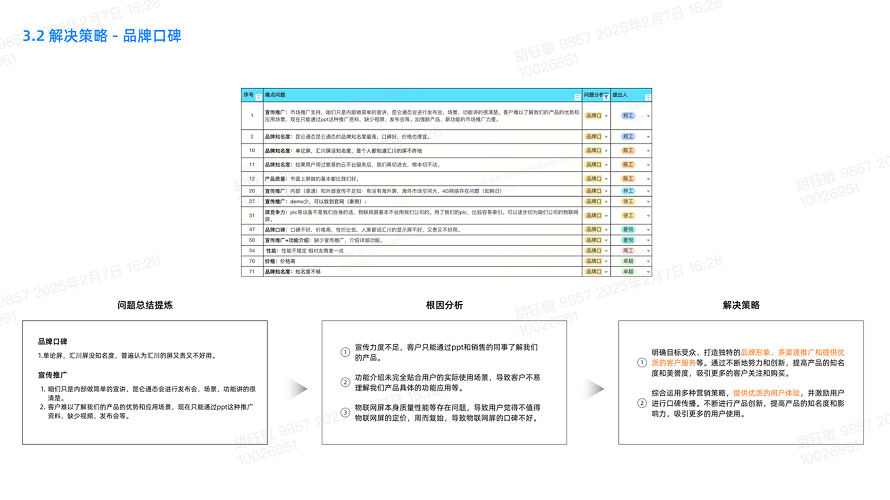
外部:竞品(如繁易、MCGS)在易用性、稳定性、价格上形成直接竞争,用户选择我们的核心动因模糊;
体验:从售前咨询→安装调试→售后运维全链路存在流程冗余、信息不对称、故障响应慢等痛点,影响客户留存与复购。
我作为项目核心负责人,主导完成全角色调研、数据洞察分析、体验流程重构与优化策略落地,为物联网屏产品的市场竞争力提升与规模化运营提供决策支撑。
English
With the expansion of the company’s digital smart hardware business line, the IoT HMI (Human-Machine Interface) as a core interactive hardware faced issues including unclear product competitiveness, fragmented user experience, and low operational efficiency:
Internal: Sales, after-sales, and R&D teams held inconsistent perceptions of product value, lacking unified user insights and optimization directions;
External: Competitors (e.g., FanYi, MCGS) formed direct competition in usability, stability, and pricing, making the core drivers for users to choose our products ambiguous;
Experience: End-to-end pain points existed from pre-sales consultation → installation & commissioning → after-sales O&M, such as redundant processes, information asymmetry, and slow fault response, which affected customer retention and repurchase.
As the core project lead, I led full-stakeholder research, data insight analysis, experience process reengineering, and optimization strategy implementation, providing decision support for improving the market competitiveness and large-scale operation of the IoT HMI product.
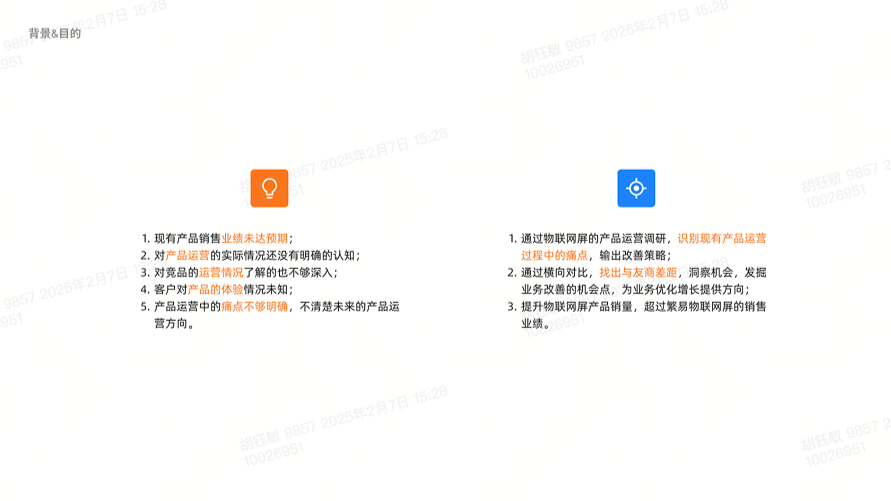
项目目标 / Project Objectives
明确物联网屏在用户认知、竞品对比、场景价值上的核心定位;
梳理从售前到售后的全链路客户体验旅程,定位关键断点与效率瓶颈;
输出可落地的产品优化、运营提升、体验改进策略,支撑市场份额与客户满意度提升。
English
Clarify the core positioning of the IoT HMI in user perception, competitive comparison, and scenario value;
Map the end-to-end customer experience journey from pre-sales to after-sales, identifying key breakpoints and efficiency bottlenecks;
Deliver actionable strategies for product optimization, operational improvement, and experience enhancement to support market share and customer satisfaction growth.
研究方法与执行 / Research Methodology & Execution
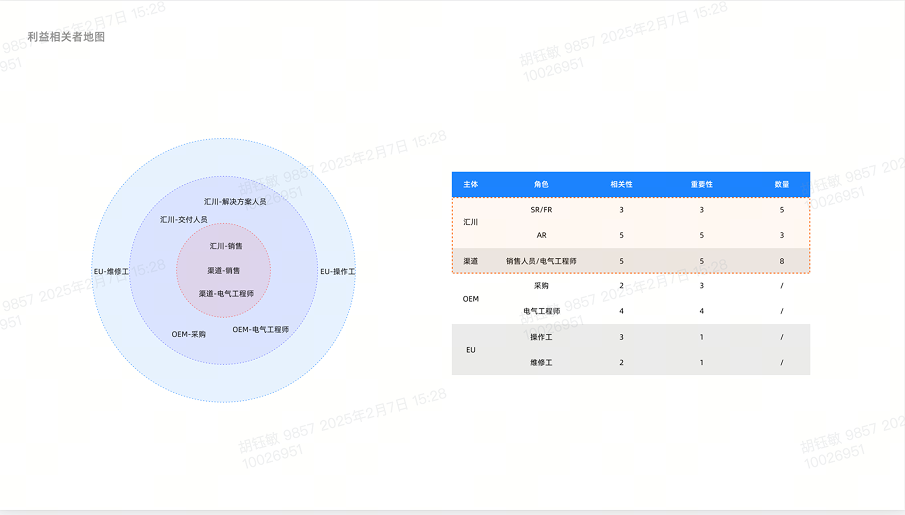
我采用定性 + 定量结合的全角色调研方法,覆盖内部与外部核心 stakeholder:
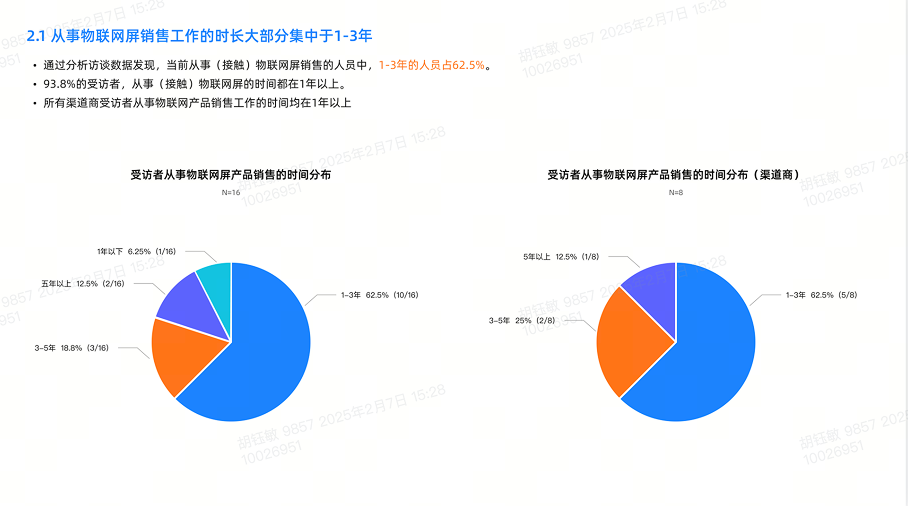
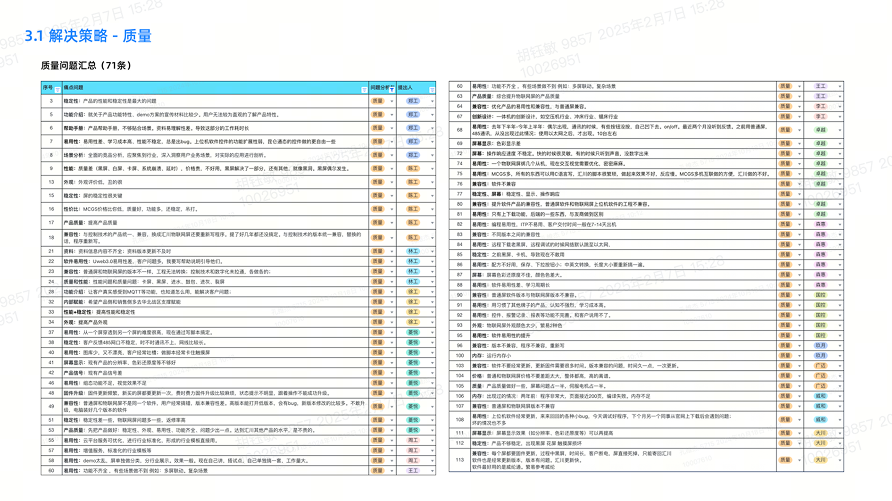
定量调研:设计结构化问卷,回收 16 份有效样本(内部 8 人 + 外部 8 人),覆盖销售、售后、研发、客户等角色,统计认知、使用、满意度数据;
定性访谈:对核心岗位人员进行深度访谈,挖掘真实痛点与诉求;
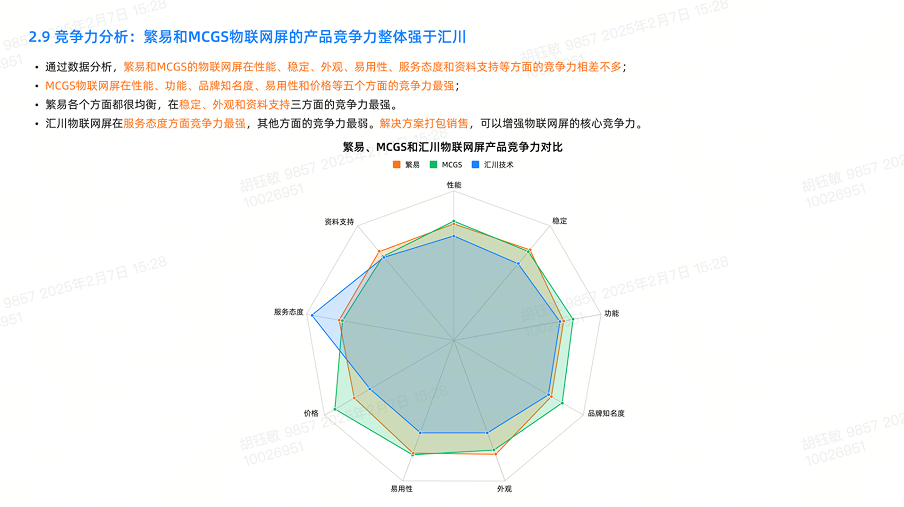
竞品分析:对标繁易、MCGS 等主流竞品,从性能、易用性、价格、服务等维度做雷达图对比;
体验旅程梳理:绘制售前、售中、售后全链路客户体验蓝图,标注触点、痛点与机会点。
English
I adopted a qualitative + quantitative full-stakeholder research method, covering internal and external core stakeholders:
Quantitative research: Designed structured questionnaires and collected 16 valid samples (8 internal + 8 external), covering roles such as sales, after-sales, R&D, and customers, to collect data on perception, usage, and satisfaction;
Qualitative interviews: Conducted in-depth interviews with key personnel to explore real pain points and demands;
Competitive analysis: Benchmarked against mainstream competitors like FanYi and MCGS, conducting radar chart comparisons across dimensions such as performance, usability, price, and service;
Experience journey mapping: Drew end-to-end customer experience blueprints for pre-sales, in-sales, and after-sales, marking touchpoints, pain points, and opportunity points.
核心洞察与发现 / Key Insights & Findings
用户认知与选择动因:
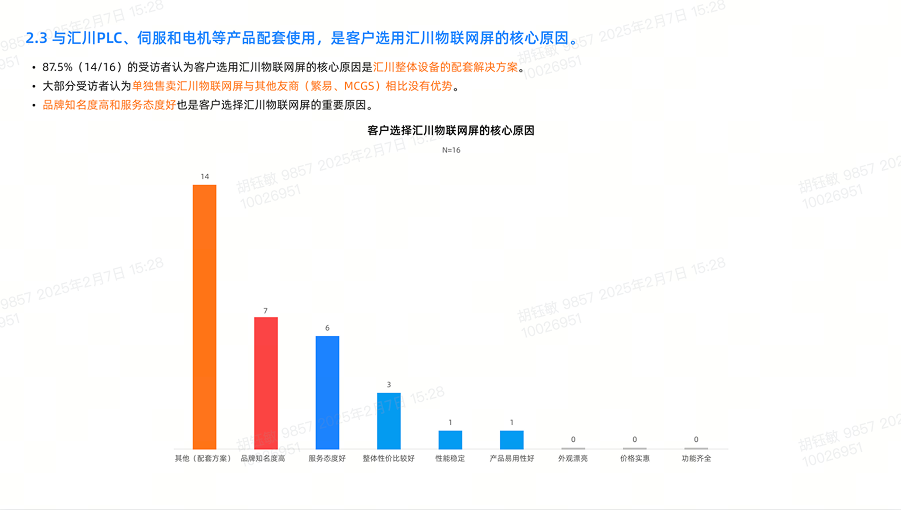
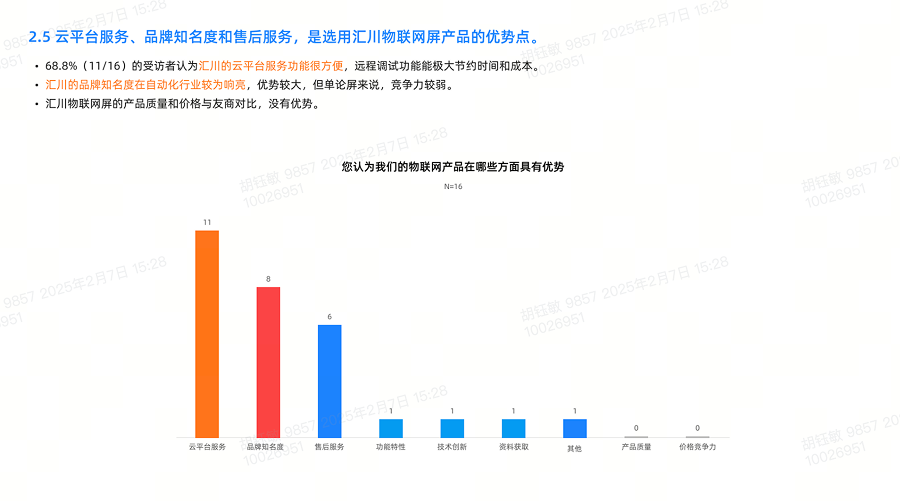
与汇川 PLC、伺服、电机等产品配套使用是客户选择我们物联网屏的核心原因;
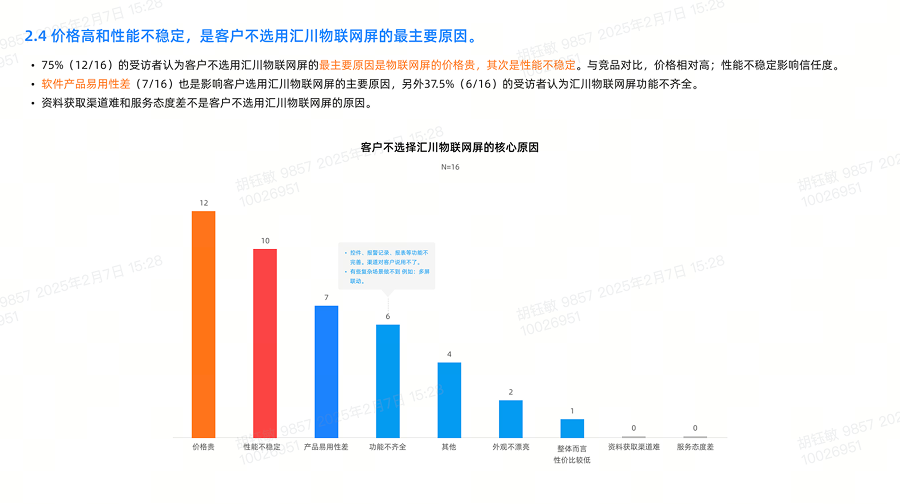
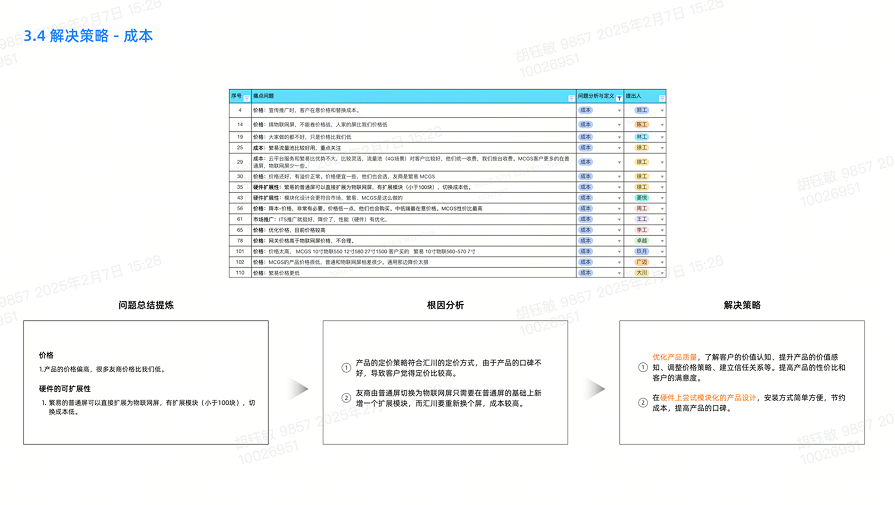
易用性差、功能不齐备、价格偏高是用户不选择我们的主要原因;
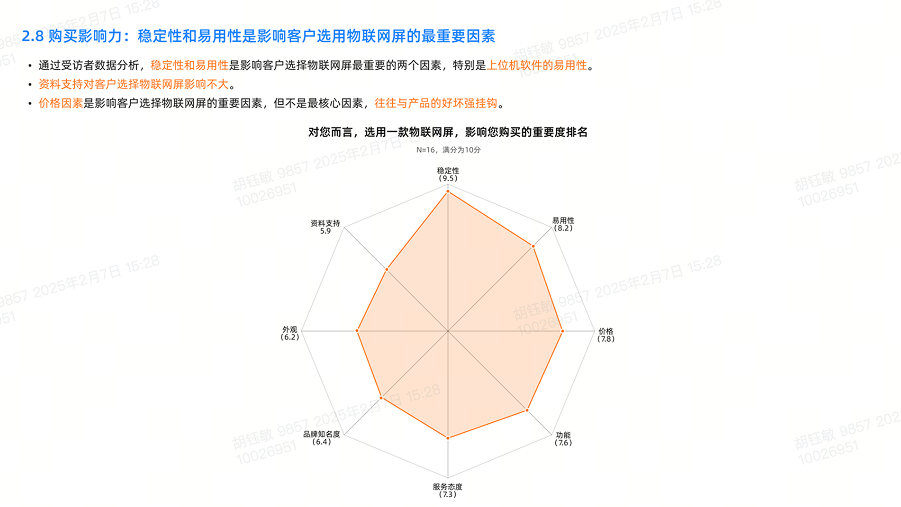
客户最关注稳定性、易用性、价格,其次是性能与服务。
竞品对比:
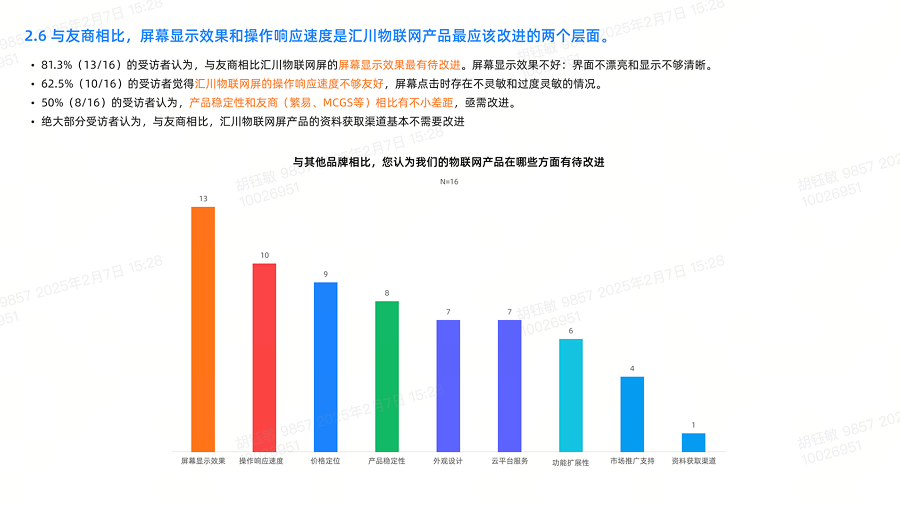
繁易在易用性、价格上优势明显;MCGS 在性能与兼容性上更强;
我们的优势在于与汇川自动化产品的协同性、品牌信任度,但在易用性、功能完整性上存在短板。
体验与运营痛点:
售前:信息传递不清晰,产品亮点未有效传递给客户;
售中:安装调试流程复杂,培训不足导致用户上手慢;
售后:故障排查依赖 Excel 手册,信息查找慢、阅读率低、更新混乱,导致 ITR 二环处理效率低、用户自助解决能力差。
English
User perception & selection drivers:
Compatibility with Inovance PLC, servo, and motor products is the core reason for customers to choose our IoT HMI;
Poor usability, incomplete functions, and high price are the main reasons why users do not choose us;
Customers care most about stability, usability, and price, followed by performance and service.
Competitive comparison:
FanYi has obvious advantages in usability and price; MCGS is stronger in performance and compatibility;
Our advantages lie in synergy with Inovance automation products and brand trust, but we have shortcomings in usability and functional completeness.
Experience & operational pain points:
Pre-sales: Unclear information transmission, product highlights not effectively delivered to customers;
In-sales: Complex installation & commissioning process, insufficient training leading to slow user onboarding;
After-sales: The troubleshooting relied on Excel manuals with low search efficiency, low usage rate, and chaotic updates, resulting in low ITR processing efficiency and poor user self-service capability.
解决方案与优化策略 / Solutions & Optimization Strategies
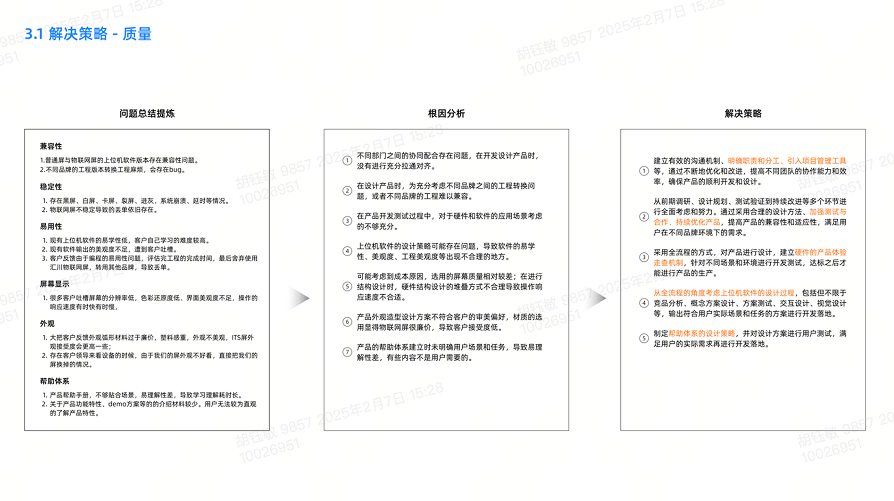
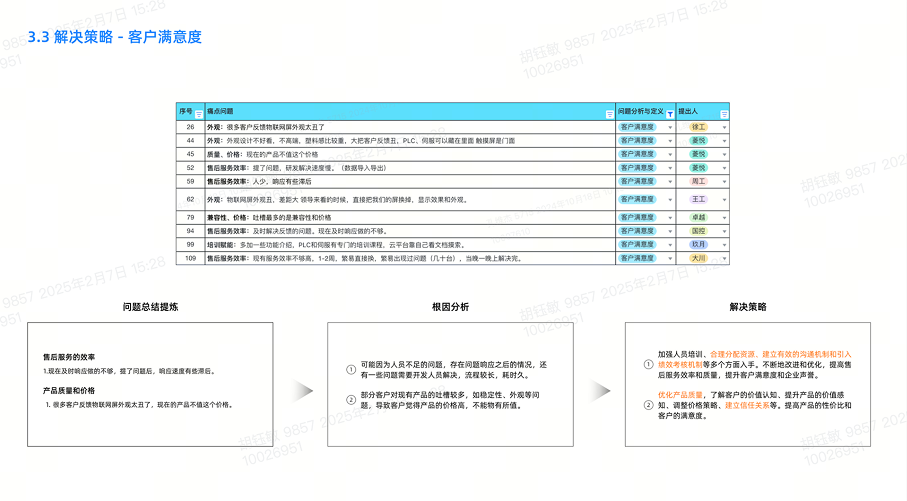
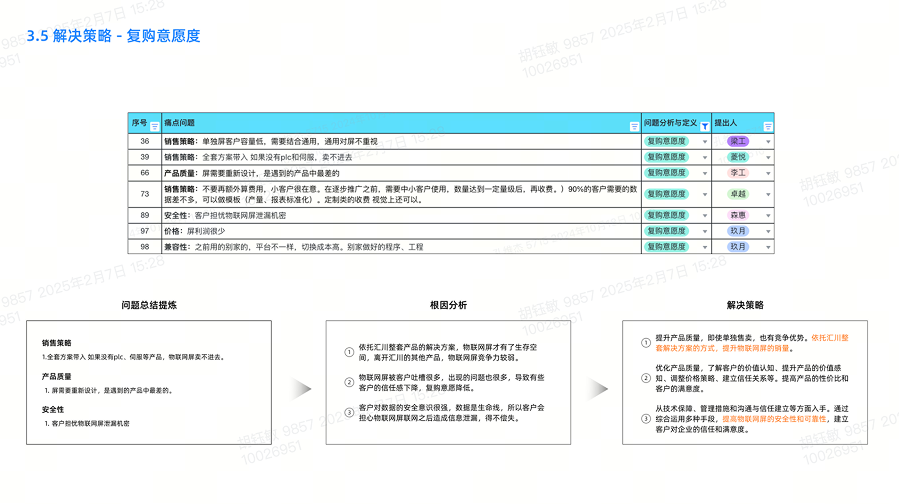
基于洞察,我输出了产品、运营、体验三位一体的优化策略:
产品层面:
强化与汇川自动化产品的配套协同优势,突出 “一站式解决方案” 卖点;
优先优化易用性(界面交互、操作流程)、功能完整性,补齐与竞品的差距;
调整价格策略,推出更具性价比的版本,覆盖中小客户市场。
运营层面:
统一内部认知,输出标准化产品价值话术与培训材料,赋能销售与售后团队;
搭建售后知识库与自助排障工具,提升故障解决效率,降低服务成本;
完成 Excel→飞书知识库迁移,搭建故障自检工具、场景化导航与搜索体系;
建立月度数据运营机制,监控访问量、搜索词、满意度,持续迭代内容。
建立客户反馈闭环机制,快速迭代产品与服务。
体验层面:
重构售前→售中→售后全链路体验流程,简化安装调试步骤;
优化产品界面与交互设计,降低用户学习成本;
提升售后响应速度,明确故障处理时效与进度可视化。
English
Based on insights, I delivered a three-in-one optimization strategy covering product, operation, and experience:
Product level:
Strengthen the compatibility synergy advantage with Inovance automation products, highlighting the "one-stop solution" selling point;
Prioritize optimizing usability (interface interaction, operation flow) and functional completeness to bridge the gap with competitors;
Adjust pricing strategy, launch more cost-effective versions to cover the SME customer market.
Operational level:
Unify internal perception, deliver standardized product value scripts and training materials to empower sales and after-sales teams;
Build an after-sales knowledge base and self-service troubleshooting tool to improve fault resolution efficiency and reduce service costs;
Completed the migration from Excel manuals to the Feishu Knowledge Base, and built a fault self-check tool, scenario-based navigation, and search system.
Established a monthly data operation mechanism to monitor page views, search keywords, and user satisfaction for continuous content iteration.
Establish a customer feedback closed-loop mechanism for rapid iteration of products and services.
Experience level:
Reconstruct the end-to-end experience process from pre-sales → in-sales → after-sales, simplifying installation & commissioning steps;
Optimize product interface and interaction design to reduce user learning costs;
Improve after-sales response speed, clarify fault handling timeliness and progress visualization.
项目成果与价值 / Project Outcomes & Value
决策支撑:输出完整的《物联网屏产品运营调研报告》《物联网屏体验运营管理规划》《ITR单二环提升策略》《资料体系规划》为产品研发、市场销售、售后团队提供策略支持与数据依据;
认知统一:内部销售、售后、研发团队对产品价值与优化方向达成共识,完成立项推进跨部门执行、提升跨部门协作效率;
体验提升:梳理出全链路体验断点与改进机会,为后续客户旅程优化奠定基础;
商业潜力:明确了与竞品的差异化优势,为提升市场份额、客户满意度与复购率指明了路径。
知识查找效率:平均查找时长从 8 分钟 → ≤2 分钟;手册使用率:从 40% → ≥75%;ITR 二环工单处理量下降 30%,用户自助解决率显著提升
English
Decision support: Delivered a complete IoT HMI Product Operation Research Report, providing data basis for product roadmap, market strategy, and experience optimization;
Perception unification: Aligned internal sales, after-sales, and R&D teams on product value and optimization directions, improving cross-department collaboration efficiency;
Experience improvement: Identified end-to-end experience breakpoints and improvement opportunities, laying the foundation for subsequent customer journey optimization;
Commercial potential: Clarified differentiated advantages over competitors, pointing the way to improve market share, customer satisfaction, and repurchase rate.
Search efficiency: Average search time reduced from 8 mins to ≤2 mins;Usage rate: Manual usage increased from 40% to ≥75%;ITR volume decreased by 30%, user self-resolution rate improved significantly